Schedule$45 Drain Cleaning Today
First Time Customers Only
First Time Customers Only
Water pooling in your yard or drains that won't cooperate can quickly become something much worse. It's tempting to ignore a slow drain or blame a wet spot on recent rain, but these issues won't fix themselves. Recognizing when sewer or yard drain problems mean it's time to call a professional can help you avoid a major excavation project. Express Plumbing & Rooter responds to drainage emergencies every week, which could have been simple fixes if taken care of earlier. Keep reading to find out which warning signs point to serious trouble, what DIY attempts can actually make worse, and how professionals diagnose problems you can't see from the surface.
Your home gives you signals when something has gone wrong underground. Multiple drains backing up at once almost always means there's a main sewer line blockage rather than isolated clogs in individual fixtures. When you flush a toilet, and water gurgles up through a shower drain or sink, waste has nowhere to go and is finding alternate routes through your system. A sulfur or sewage smell near floor drains, in your basement, or outside near cleanout access points tells you raw waste is sitting where it shouldn't be. Patches of grass that grow faster and greener than the rest of your lawn mark spots where sewage may be leaking and acting as fertilizer. You might also notice your toilet water level changing without use or hear bubbling sounds from drains when no water is running. Any combination of these symptoms suggests the problem exists in your main line, not in a single fixture. A plumber can locate the exact point of failure and determine whether you need a targeted repair or a full line replacement. Waiting allows sewage to back up into your home or saturate the soil around your foundation.
Standing water might mean that your property's drainage system has failed to move water away from your home. French drains, catch basins, and yard drains rely on gravity and clear pathways to work. When debris, sediment, or collapsed pipe sections block the flow, water accumulates at the surface. This creates breeding grounds for mosquitoes within 48 hours of stagnation. Persistent moisture also damages grass roots, kills plants, and promotes mold growth on nearby structures. More concerning, pooling water near your foundation seeps into the basement walls and footings. Hydrostatic pressure builds against foundation concrete and forces water through hairline cracks. The repair bill for foundation waterproofing or structural repair dwarfs what a plumbing service charges to clear and restore yard drainage. If water sits in the same spot for more than 24 hours after the rain stops, it's time to call a professional.
Basic mechanical snakes and plungers work for smaller clogs near the drain opening. They can help when hair is wrapped around a bathroom sink stopper, or there's soap buildup in a shower trap. The problem is that homeowners assume these tools fix everything, so they keep using them when the real issue lies deeper. Repeated applications of chemical cleaners corrode older pipes and can weaken joints to the point of failure. A plunger creates pressure that moves a clog further down the line without dissolving it, and may compact the blockage and make professional removal harder. Neither tool fixes root intrusion, collapsed pipe sections, or bellied lines where low spots trap waste. Store-bought augers can scratch pipe interiors and create rough surfaces where debris collects more easily. If you've plunged the same drain three times this month or emptied multiple bottles of cleaner without lasting results, stop. You're treating symptoms while the underlying problem gets worse. Professional equipment clears blockages without damaging pipes and finds out whether structural repair is needed.
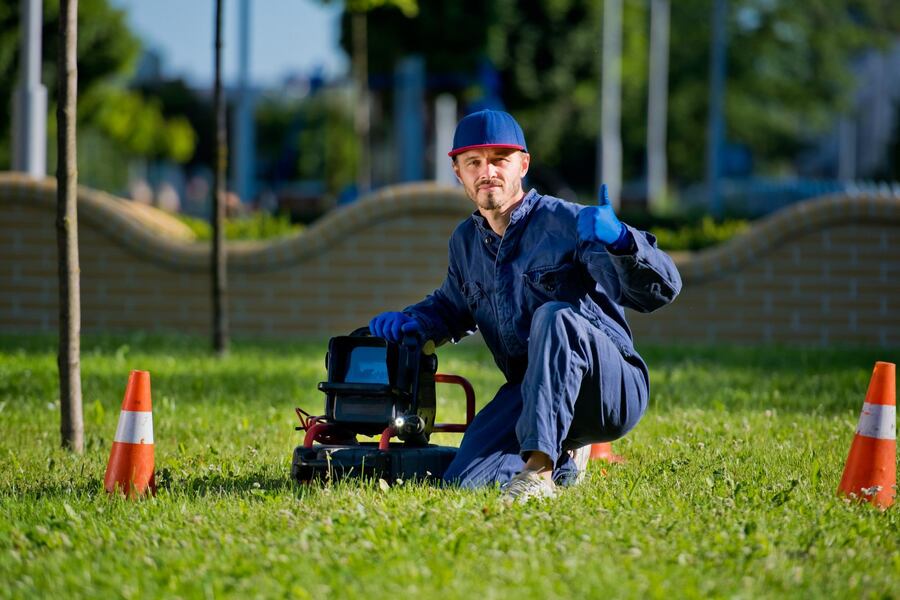
Before video inspection technology existed, diagnosing sewer and yard drain issues required educated guessing or exploratory digging. Now technicians insert a waterproof camera attached to a flexible cable directly into your lines. The camera transmits real-time footage to a monitor, and shows the pipe's interior condition foot by foot. The inspection identifies cracks, joint separations, root intrusion points, grease buildup, and sections where pipes have shifted or collapsed. The camera also carries a locator signal that allows technicians to mark the exact ground location above any problem they discover. This eliminates unnecessary excavation and targets repairs to specific failed sections. Camera inspections matter for sewer & yard drains because so much of these systems runs underground, where visual inspection from the surface tells you nothing. A five-minute camera survey can reveal that your recurring backups stem from a single cracked joint rather than a failing main line. That knowledge saves thousands of dollars in unnecessary replacement work. Request camera footage documentation, so you have a record of your system's condition for future reference or real estate transactions.
Minor drainage problems compound. A partial blockage that slows water today collects more debris tomorrow. Grease coats pipe walls in thickening layers. Tree roots that find a hairline crack grow thicker and pry the crack wider. A slow leak saturates the surrounding soil and destabilizes the pipe's bedding material. Within months, a stable line becomes a sagging or separated one. The cost comparison speaks for itself. Clearing a partial blockage with professional equipment typically costs a few hundred dollars. Excavating and replacing a collapsed sewer line costs several thousand dollars. Foundation repairs after prolonged water intrusion can reach five figures. Unaddressed drainage failures also create health hazards. Raw sewage backing into your home requires professional remediation to remove contaminants. Municipal authorities can condemn properties with failed septic or sewer connections until repairs pass inspection. Time works against you with every drainage issue, so taking care of problems when they first appear protects your property and your budget.
Express Plumbing & Rooter diagnoses and repairs sewer & yard drains so you can avoid expensive emergencies. Call today to schedule an inspection with a local plumber or describe your symptoms to our team. We have the equipment and training needed to help protect your home for years to come.

If you get prepared before a drain…
Read More
How functional is your toilet? Does the water keep running…
Read More
If water pressure drops for no reason, it may need…
Read More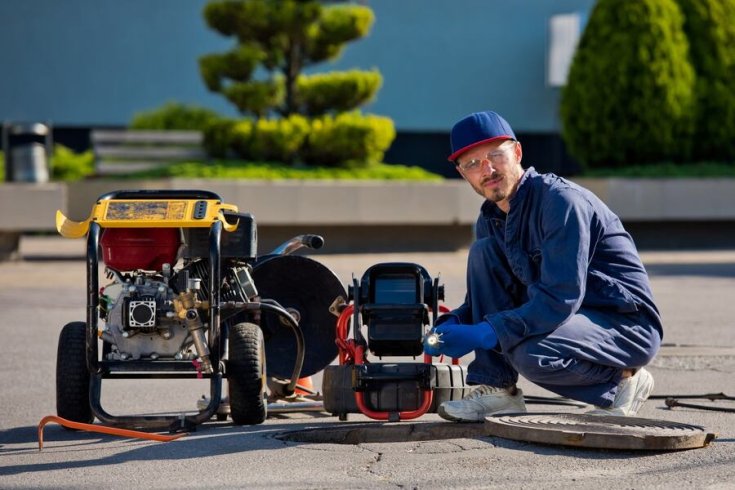
How do you evacuate your sewer system - the open…
Read More
One of the most common questions people ask when installing…
Read More
Every homeowner expects clean water to always flow through the…
Read More
The presence of standing water in your yard during periods…
Read More
A drip under the sink or a damp patch on…
Read More
Keeping your plumbing system in top shape requires more than…
Read More
With water heater repair costs steadily increasing, many people are…
Read More
Plumbing issues can arise when you least expect them, disrupting…
Read More
Do you have a kitchen remodel planned? Are you considering…
Read More
As a homeowner, dealing with plumbing issues can be a…
Read More
A clogged drain is not just a nuisance; it is…
Read More
Plumbing plays a crucial role in residential and commercial properties.…
Read More
If your toilet has been breaking down frequently in the…
Read More.webp)
Plumbing leaks can go undetected for a long time, causing…
Read More
When it comes to residential plumbing, many people wonder if…
Read More
A sewer line problem can instantly bring stress and uncertainty…
Read More
When investing in a water filter, you take a…
Read More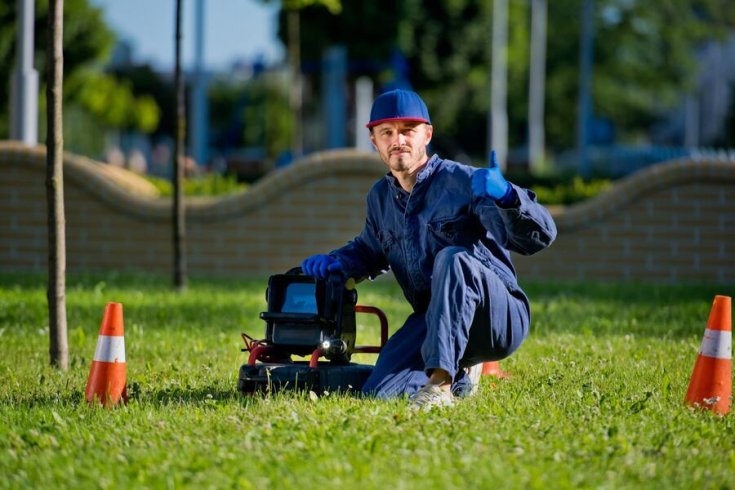
Water pooling in your yard or drains that won't cooperate…
Read More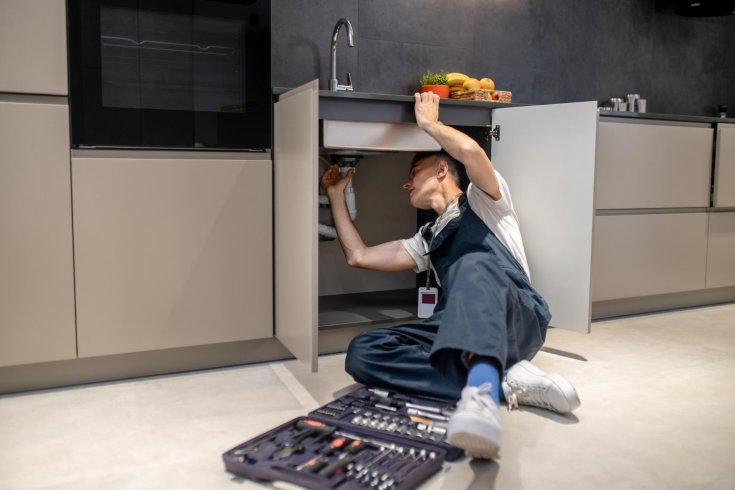
As convenient as it may seem to pour leftover grease…
Read More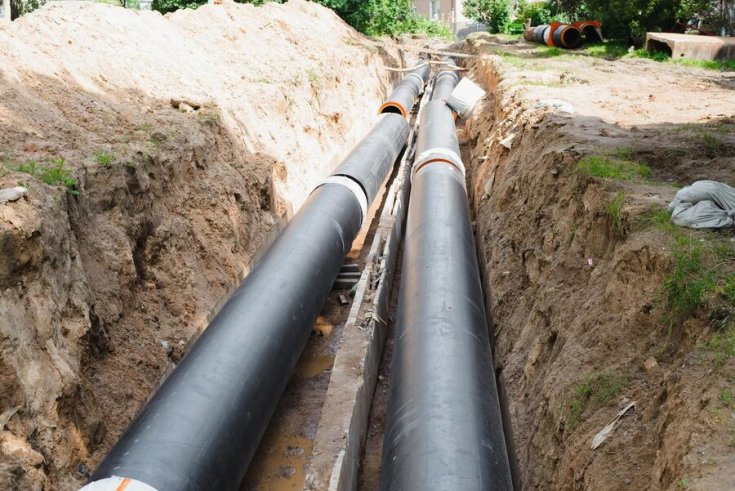
Digging up your yard to replace a broken sewer line…
Read More
Copper piping has been a staple in plumbing systems…
Read More
Are you considering a home improvement project? Do you…
Read More
A tankless water heater offers numerous advantages, including energy savings,…
Read More
Every homeowner dreads the inconvenience and damage that a pipe…
Read More
A garbage disposal is one of the most convenient kitchen…
Read More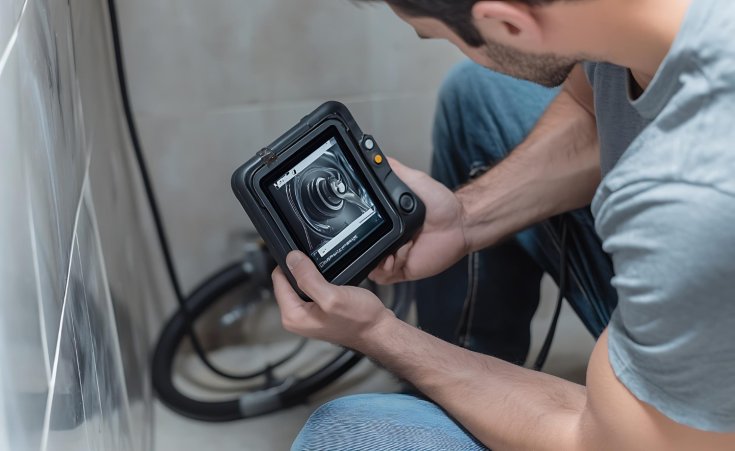
When it comes to residential plumbing issues, most people often…
Read More
Property ownership comes with its fair share of responsibilities and…
Read More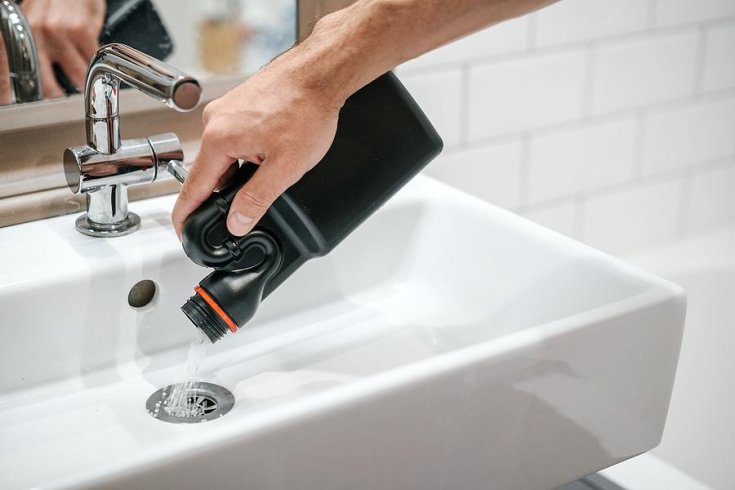
Drain clogs can bring your normal household routine to a…
Read More
When your toilet starts acting up, it can throw your…
Read More
Water has a way of sneaking into places it does…
Read More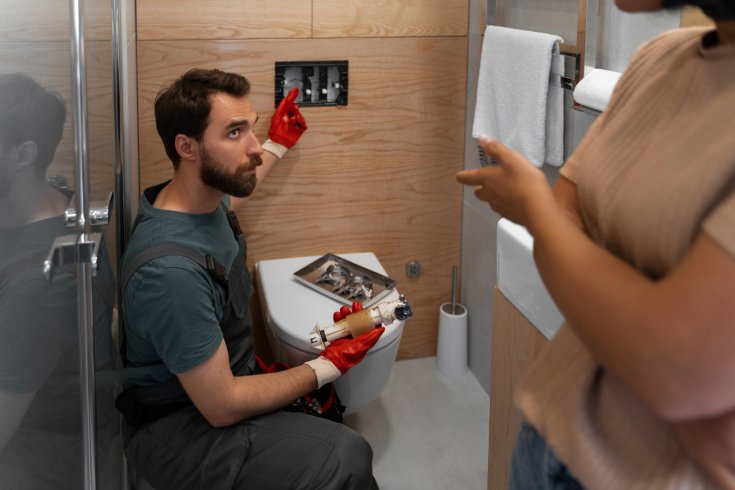
Your bathroom is one of the most important rooms in…
Read More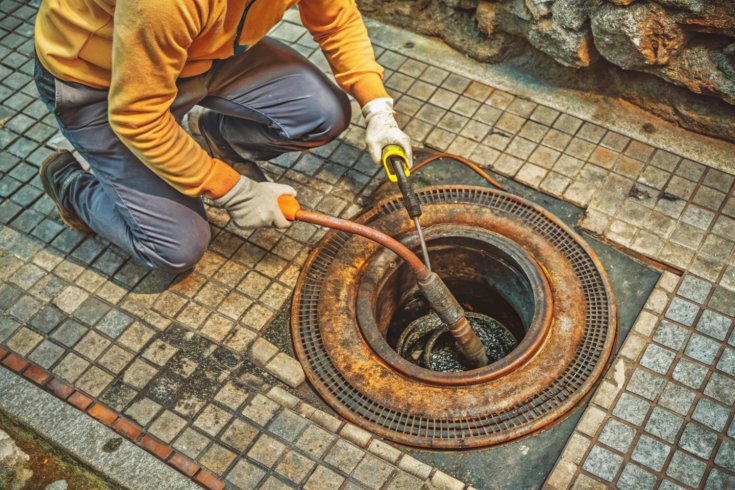
For decades, homeowners dreaded the words “sewer line replacement.” It…
Read More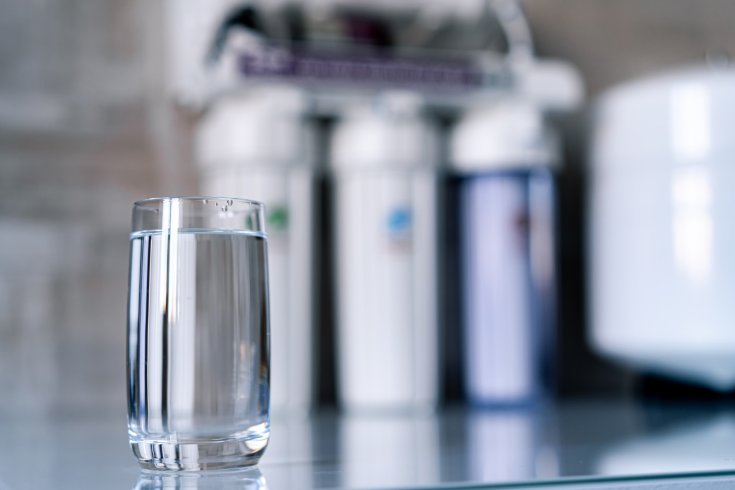
If you have ever noticed spots on your dishes, stiff…
Read More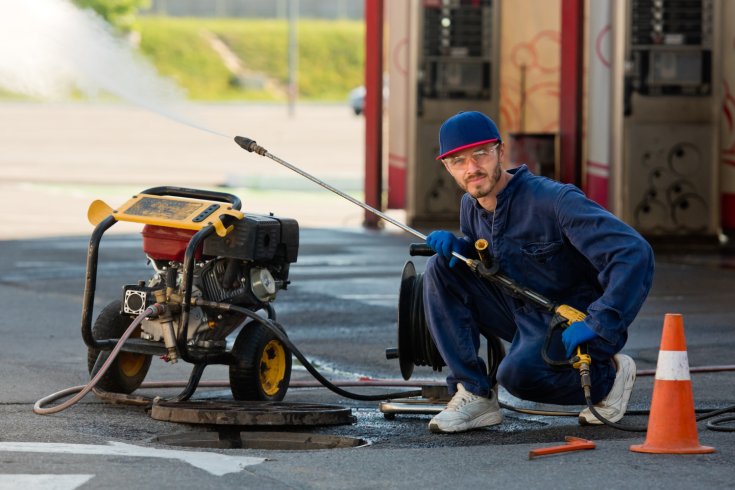
When water does not drain properly in your yard, it…
Read More
Few things are as frustrating as trying to wash dishes…
Read More
When pipes fail, you are left with two main choices:…
Read More
When you decide to remodel your home, the last thing…
Read More
Choosing the right kitchen sink may not seem like a…
Read More
If you have ever stood at the sink or shower…
Read More
When you have a leak or need a pipe…
Read More
Sometimes, a simple plunger just won’t cut it. You push…
Read More
When the rain comes down hard, the last thing any…
Read More
If you’ve ever had a…
Read More
Considering a bathroom makeover? Before you get too far…
Read More
A leaky or outdated faucet can waste water, increase your…
Read More
Think about it: how often do you even notice…
Read More.webp)
A leaky faucet is a minor problem. It’s just a…
Read More
If you’ve ever had a clogged toilet, you know how…
Read More
Using your garbage disposal like a trash can is one…
Read More.webp)
Clogged drains are something most people deal with at some…
Read More
When something goes wrong with the pipes in your home,…
Read More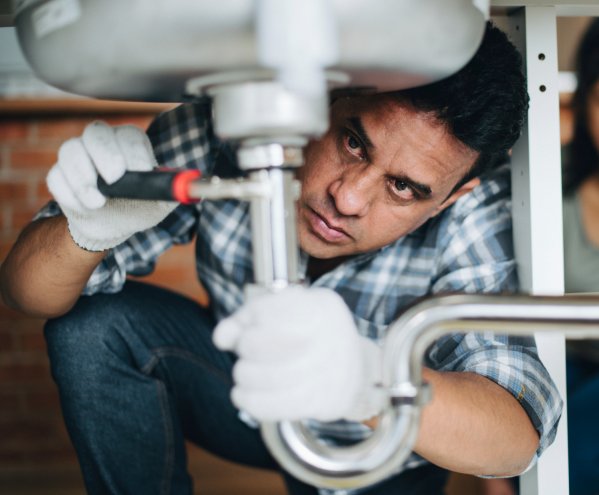
Have you ever turned on your shower and felt like…
Read More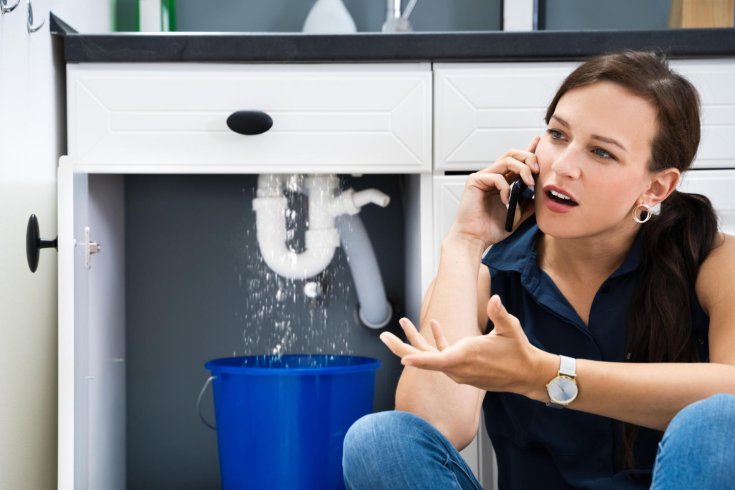
When your toilet won’t flush, it’s not just frustrating—it can…
Read More
.webp)
Ever press the handle on your toilet and… nothing happens?…
Read More
Imagine you're brushing your teeth, and suddenly, the bathroom sink…
Read More
Have you ever stepped into the shower expecting warm water,…
Read More
If you’ve ever had a burst pipe or a clogged…
Read More
Installing a new toilet might seem straightforward, but even…
Read More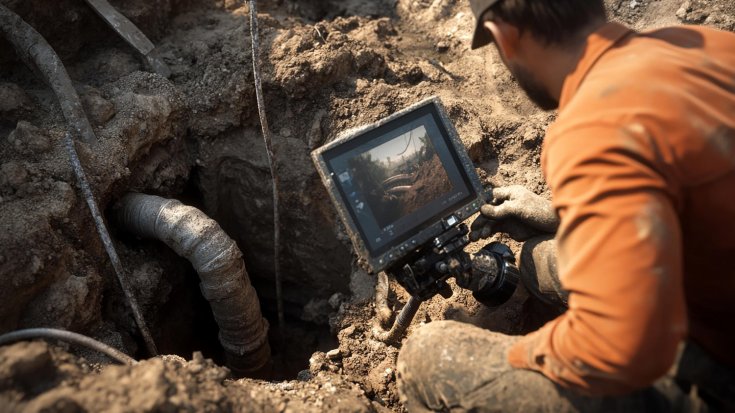
If you’ve ever had plumbing issues, you know how frustrating…
Read More
Clean drinking water is something…
Read More
A damaged sewer line is a serious issue no homeowner…
Read More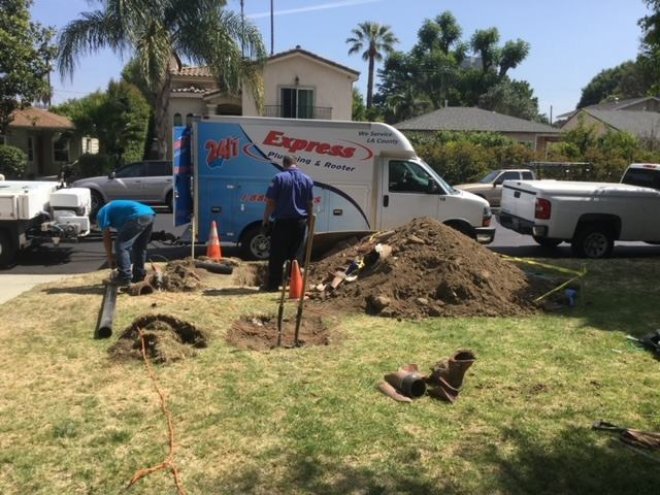
The average American family uses more than 300 gallons of…
Read More
Many homeowners rarely think about the lifespan of their water…
Read More
Hidden plumbing leaks occur behind walls, under floors, beneath a…
Read More
If your garbage disposal is giving you trouble, it can…
Read More
It’s undeniable that smart technology has become an integral part…
Read More
The winter season often sees a lot of frozen pipes,…
Read More
A damaged sewer line is no joke, and if yours…
Read More
Water heaters play an indispensable role in our daily life,…
Read More
There’s no doubt that tankless water heaters are quickly overtaking…
Read More
Tankless water heaters have become increasingly popular over the decades.…
Read More
Today, there are non-invasive ways to repair damaged pipes while…
Read More
Many homeowners take their water quality for granted until they…
Read More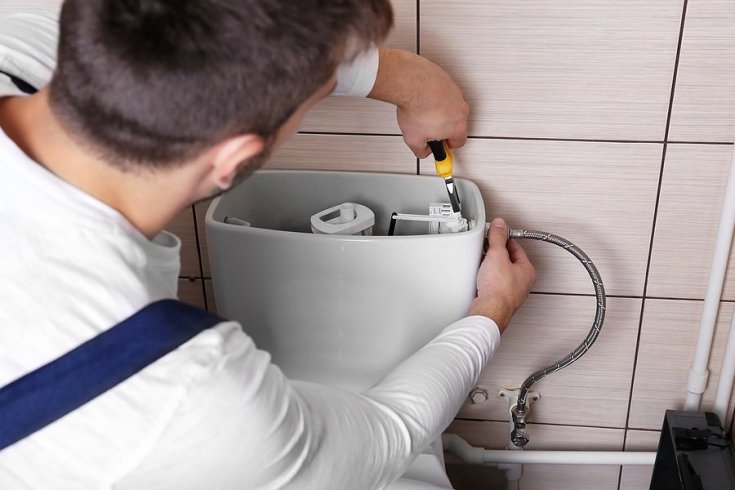
Most likely, you’re here because your toilet has been misbehaving.…
Read More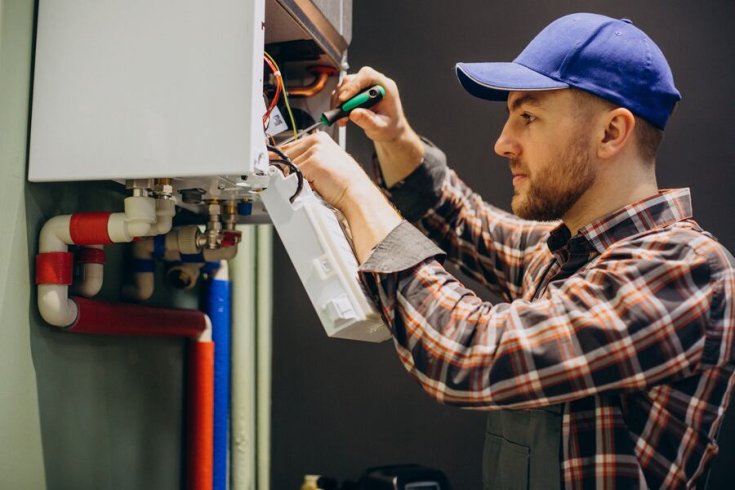
A water heater typically lasts anywhere from 8 to 12…
Read More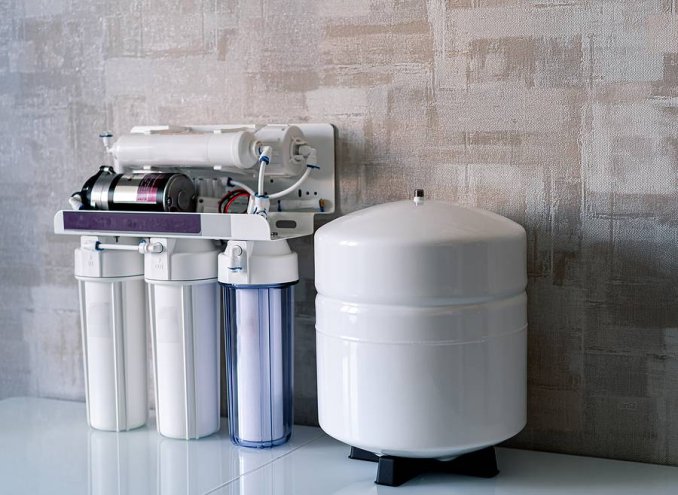
You’re here probably because you are fed up with the…
Read More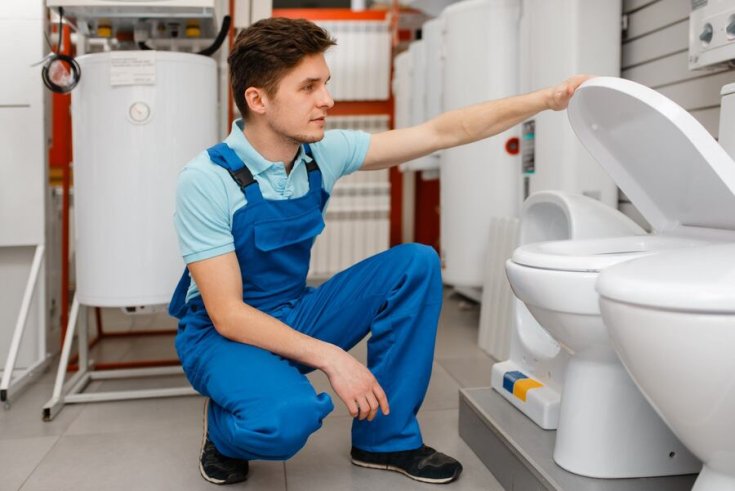
Toilets come in all styles, sizes, and shapes to suit…
Read More
Once homeowners encounter an unidentifiable bad odor when they enter…
Read More
Many homeowners are curious about hydro jetting, a relatively new…
Read More
Perhaps multiple drains in your commercial property are draining slowly,…
Read More
Having a slow-draining sink can be frustrating. You might find…
Read More
Hydro jet plumbing and snake draining are two of the…
Read More
Over time, pipes can deteriorate, leading to leaks, blockages, and…
Read More
Does a loud banging noise echo through your house when…
Read More
At Express Plumbing & Rooter, we know how important…
Read More
Your sump pump is critical for defending against water damage.…
Read More
When it comes to home repairs, some tasks are perfectly…
Read More
Unfortunately, the need for reliable plumbing services has given rise…
Read More
Ignoring a small drip can lead to severe property damage,…
Read More
Older homes are appealing for many reasons, including unique architectural…
Read More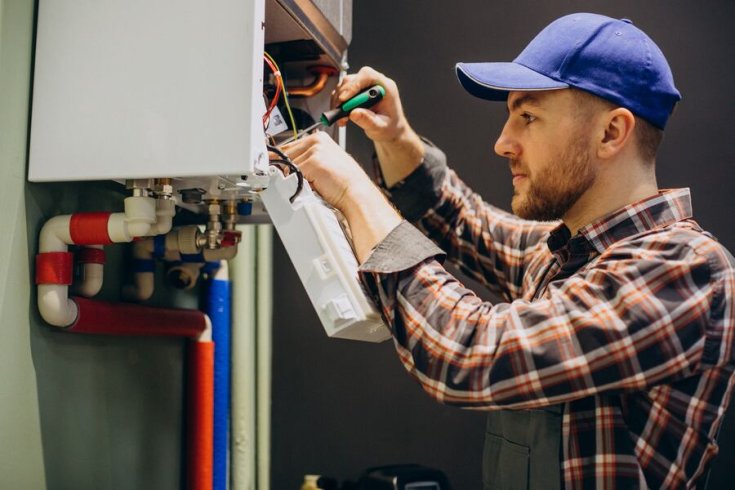
Not all hot water heaters are created equal. From traditional…
Read More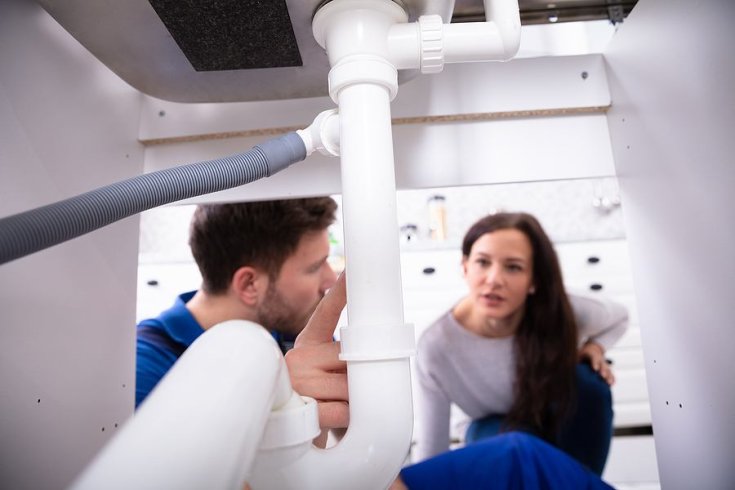
Both the P-trap and S-trap are plumbing fittings designed to…
Read More
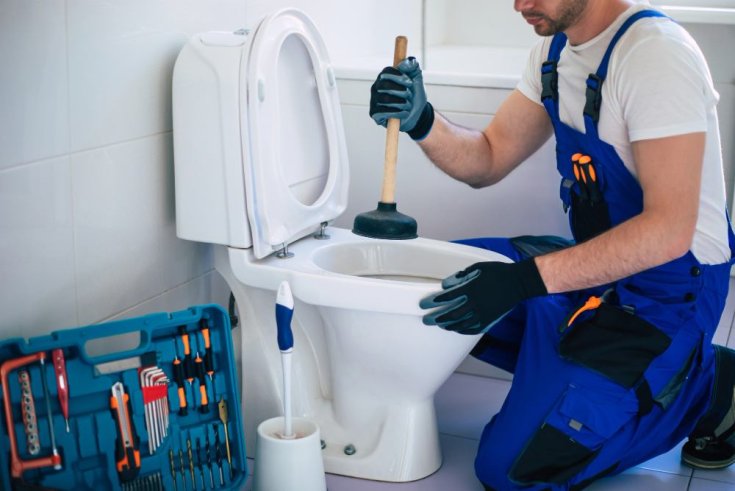
A clogged toilet is no fun, but it’s a problem…
Read More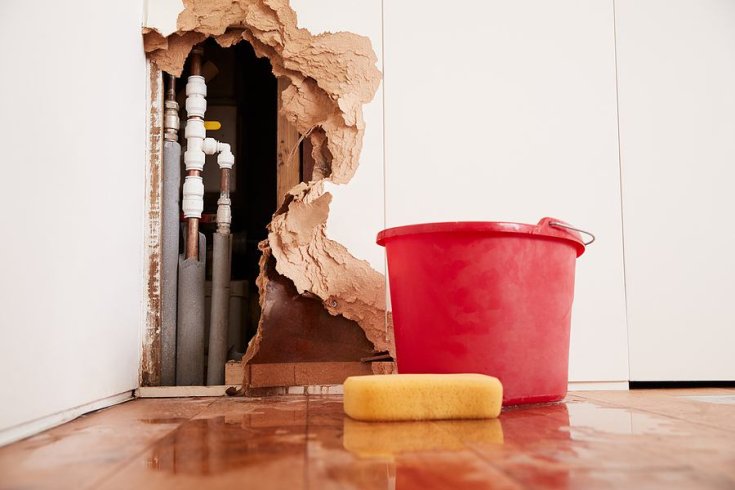
Pipe leaks are one of the most common plumbing problems…
Read More
Basement flooding is one of the most common problems homeowners…
Read More
There are many different types of plumbing pipes, and each…
Read More
Pipe corrosion is a serious plumbing concern, especially if you…
Read More
Although they provide us with endless happiness and company, pets…
Read More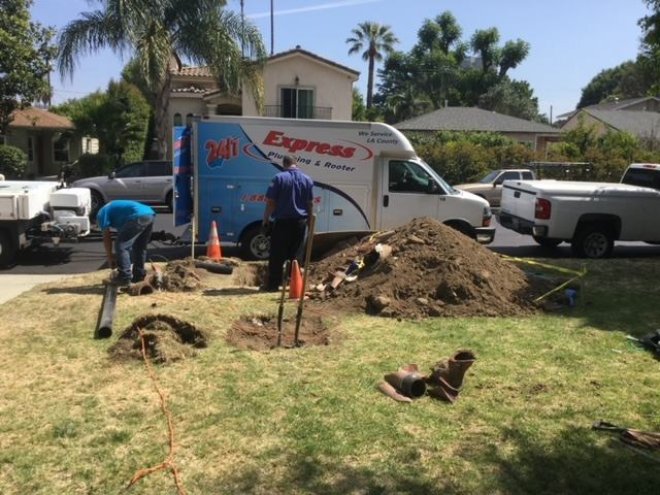
A flooded basement sounds like a nightmare, but it's also…
Read More
The plumbing system offers unparalleled sanitation, hygiene, and comfort for…
Read More
You're relaxing at home when suddenly, a burst pipe or…
Read More
The plumbing system is a primary part of any building,…
Read More
The sewer line, a critical component of a property's plumbing…
Read More
We often take it for granted, but the reality is…
Read MoreAbsolutely outstanding service.They were super professional, responsive, prompt, and knowledgeable. I'll definitely call them when something 'breaks' again. Highly recommend this! Such a great company, they did their job very well & were very nice workers, I recommend this company if you have a plumbing problem.

Very professional, honest and clean plumbers. They changed my sewer line in 2 days and their pricing was very reasonable. Thank you. I strongly recommend Express Plumbing & Rooter to anyone in the area looking to hire a local plumber. I will use them as well in the future if I need a plumbing company again.
Let me tell you folks what I went through last night after I came home from a party I walked in my bathroom and saw the bathtub and toilet overflowing with black water so I immediately went online and found a company this company was express plumbing and router the girl on the phone was really really friendly and nice she assured me that my problem will be solved and I should have no worries the technician will be arriving in 60 to 90 minutes she told me well that was true because he was here in 45 minutes The technician came and unclog the drain for only amazing $55 when he came in to my house he was wearing booties so he said would not dirty my carpet that's a plus because I have white carpets in my house I would really recommend this company to my family and friends and whoever has a plumbing problem thank you express plumbing and rooter.
Lifesavers! I had a problem and needed someone to come down as soon as possible. They came and checked out the problem within the hour. They explained everything that had happened and fixed it so quick before all my guests had arrived! It was such a last minute problem and Im so glad Express was able to come fix the situation for such an amazing price!!
I made an appointment from 11a-12p this morning. I called at 10:50am to confirm the appointment was still happening. The girl on the other end said the plumber will arrive soon. They are on time and prompt. Thanks Express Plumbing And Rooter Service Los Angeles, California.
Left a review a few days ago on Yelp. Not sure what happened with the other review experiences here but my experience was great. They were very professional. I went there discussed my plumbing needs and they explained all the charges. Made an appointment and they came and fixed my plumbing. The whole thing went smoothly and I recommend them!